Study in Pictures🌐 English (United States)
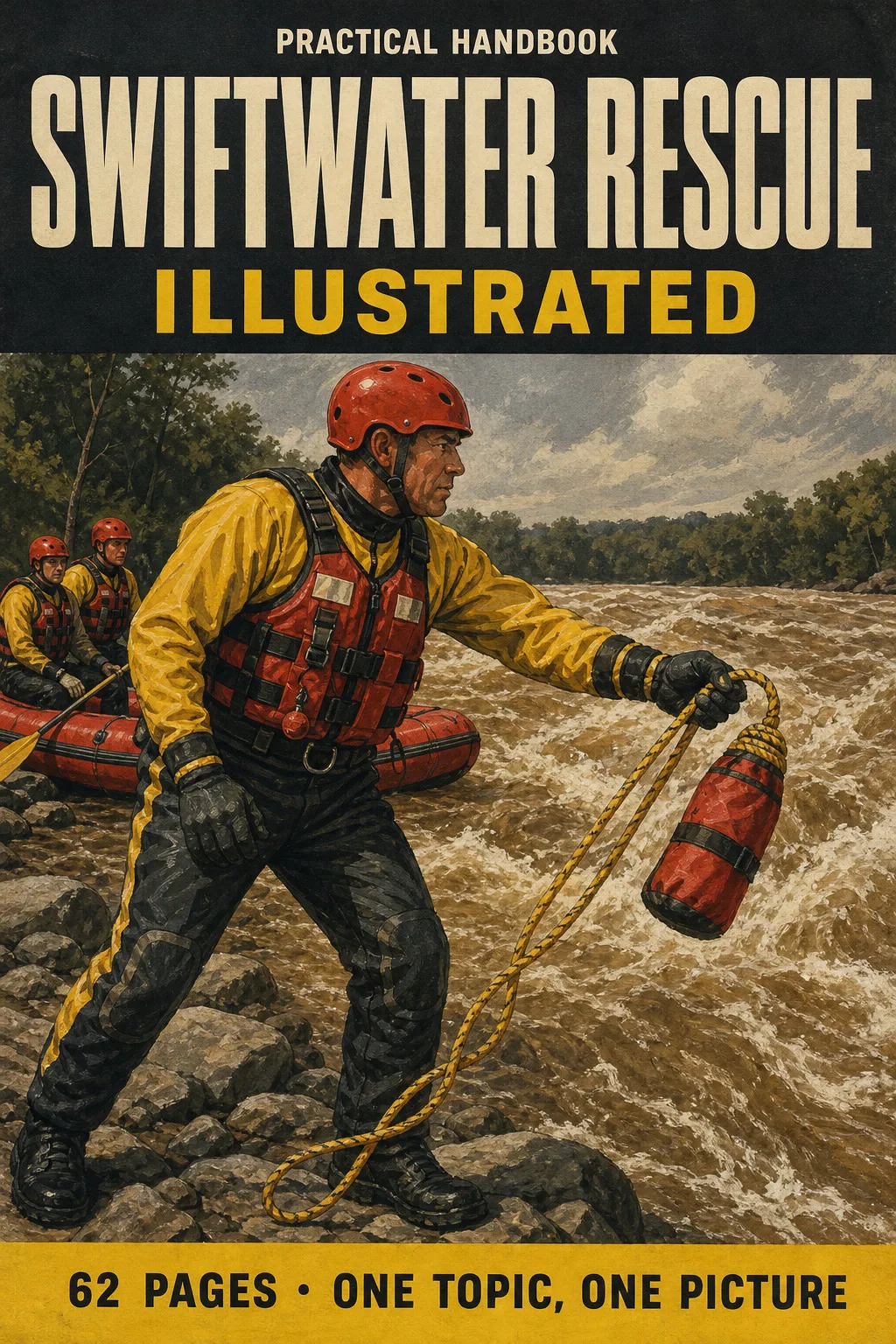
Swiftwater Rescue Illustrated

Digital book in PDF · read it on your phone or print it

Swiftwater Rescue Illustrated

Moving water, low-head dams, strainers, cold water, throw bags, Z-drags, tethered boats, vehicles in floods and victim care. Each topic gets its own page: the drawing first, then what you need to remember.

  • 62 illustrated pages
  • English
  • 30-day guarantee
US$ 27US$ 63
Get the book · US$ 27

Price shown for: United States. In other countries, the checkout shows the price that applies there.

About this book

What it is

Moving water, low-head dams, strainers, cold water, throw bags, Z-drags, tethered boats, vehicles in floods and victim care. Each topic gets its own page: the drawing first, then what you need to remember.

Who This Book Is For
  • You're in the Swiftwater Tech course
  • Your written exam is coming up
  • You already run water calls
What it covers
  1. Reading Moving Water
  2. Hazards That Kill
  3. Scene Safety and the Team
  4. In the Water: Swimming and Wading
  5. Shore-Based Rescue: Talk, Reach, Throw
  6. Rope Systems and Mechanical Advantage
  7. Boats, Vehicles and Floods
  8. Victim Care on the Bank
  9. Exam Review
Language
English (United States)
Pages
62
Format
Digital book in PDF · read it on your phone or print it
Price
US$ 27 (United States)
Delivery
This is a digital PDF book sent to your email: nothing is printed or shipped.
30-Day Guarantee
30-day guarantee: if a file doesn't open, if the content isn't what the product page describes, if you were charged twice or the email never arrived, write to us and we'll refund you in full.

Look Inside the Book

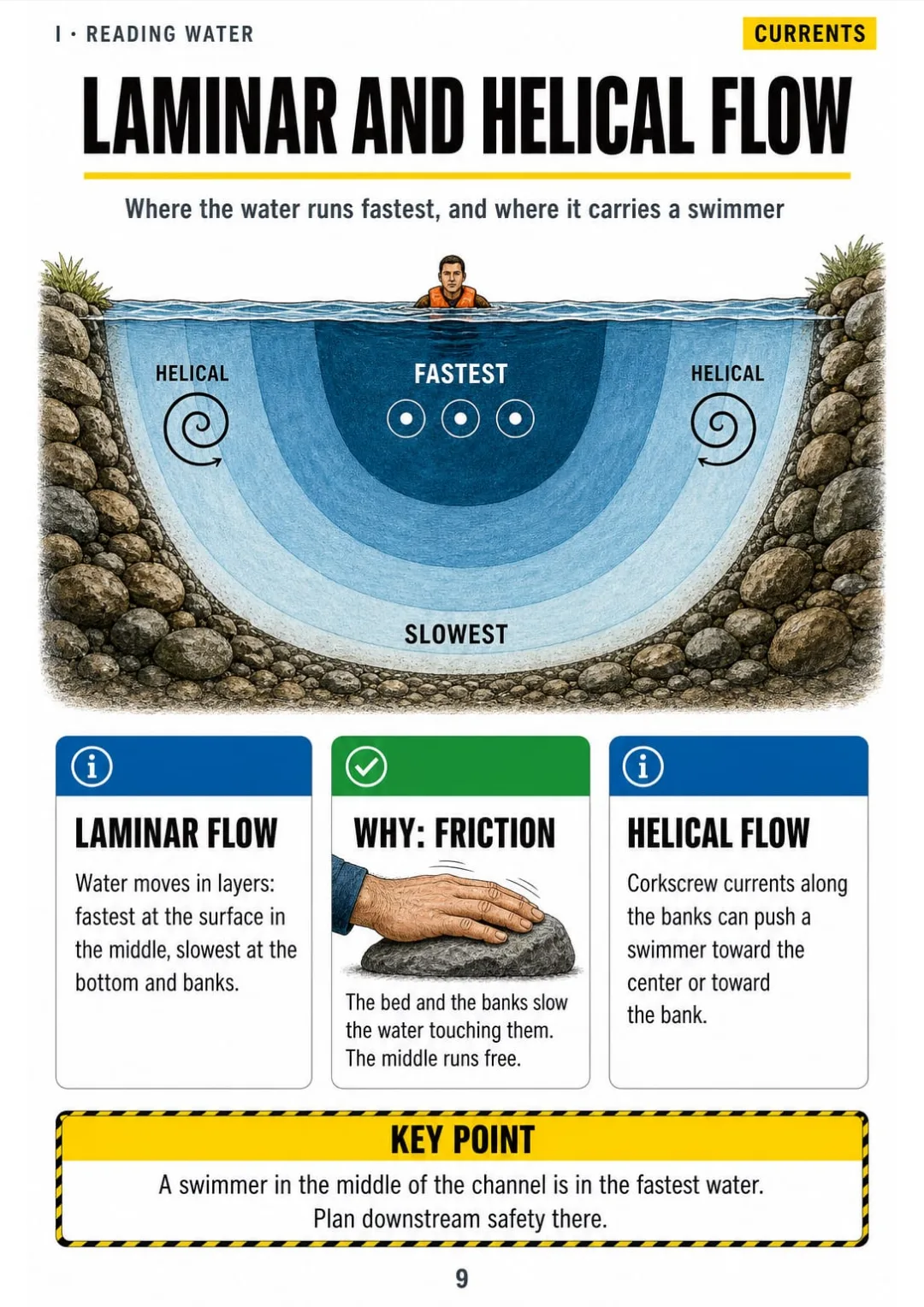
Fastest at the surface in the middle · slowest at the bottom and the banks
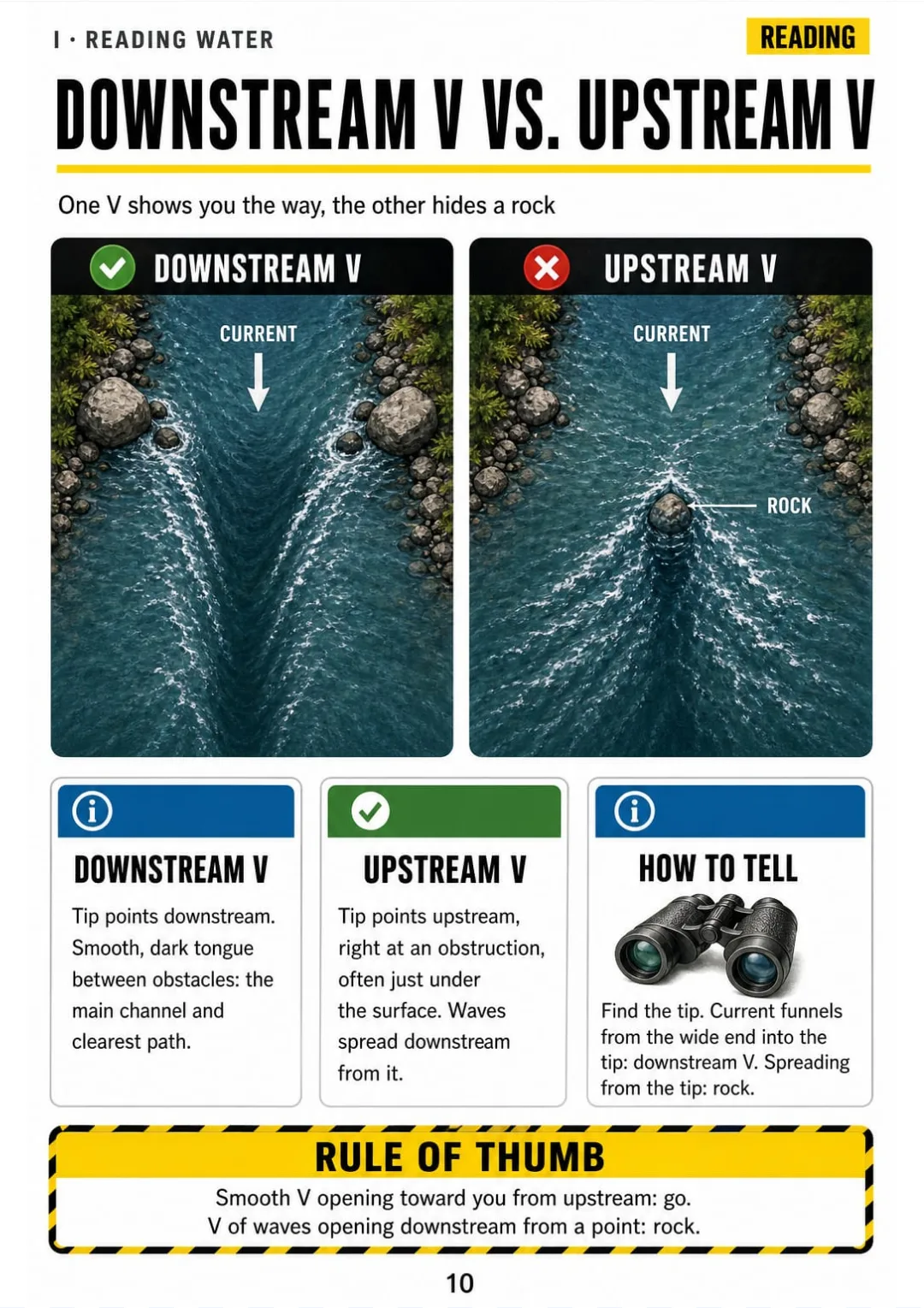
Downstream V = main channel · Upstream V = obstruction just under the surface
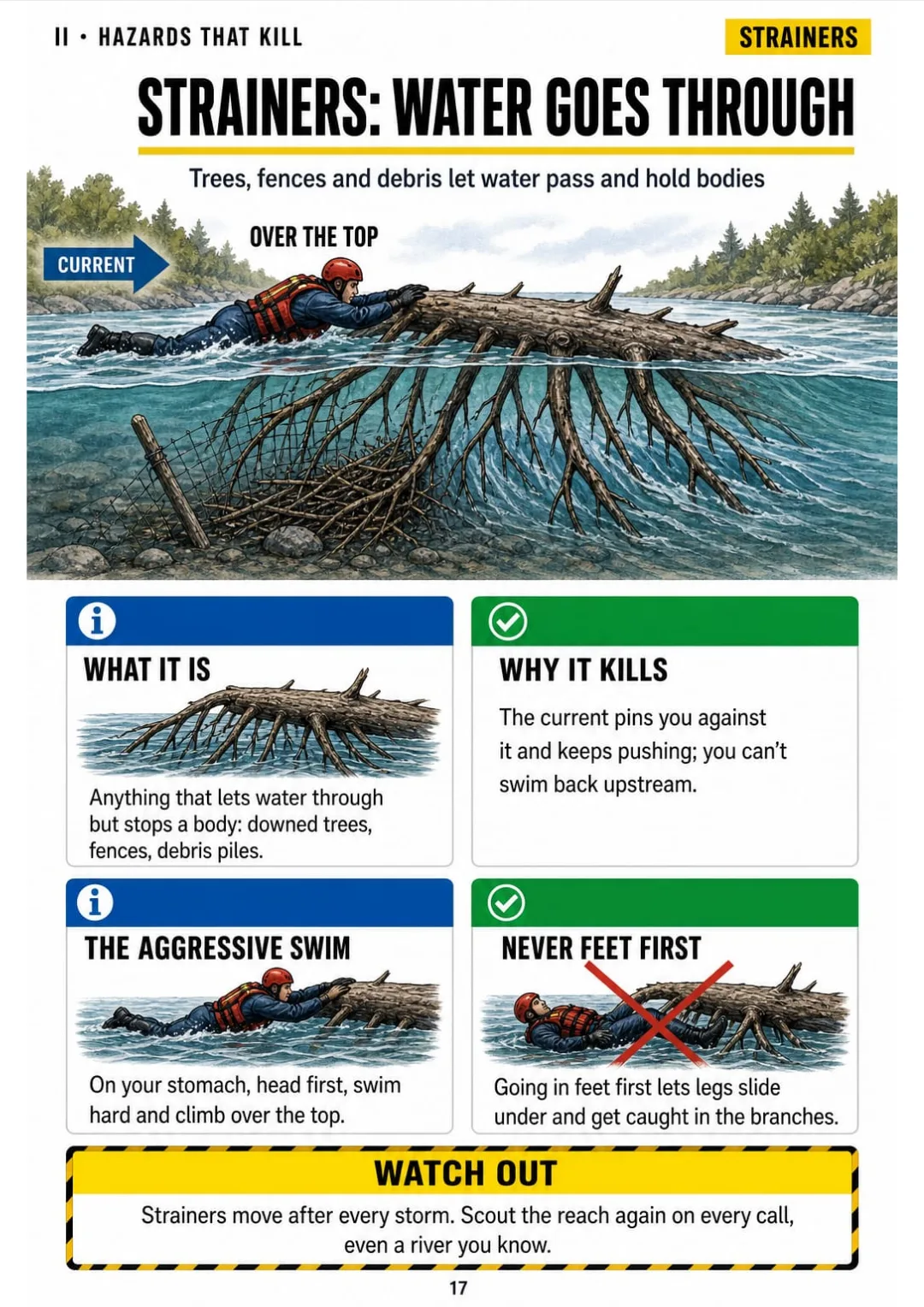
Strainers: on your stomach, head first, swimming hard to get over the top.
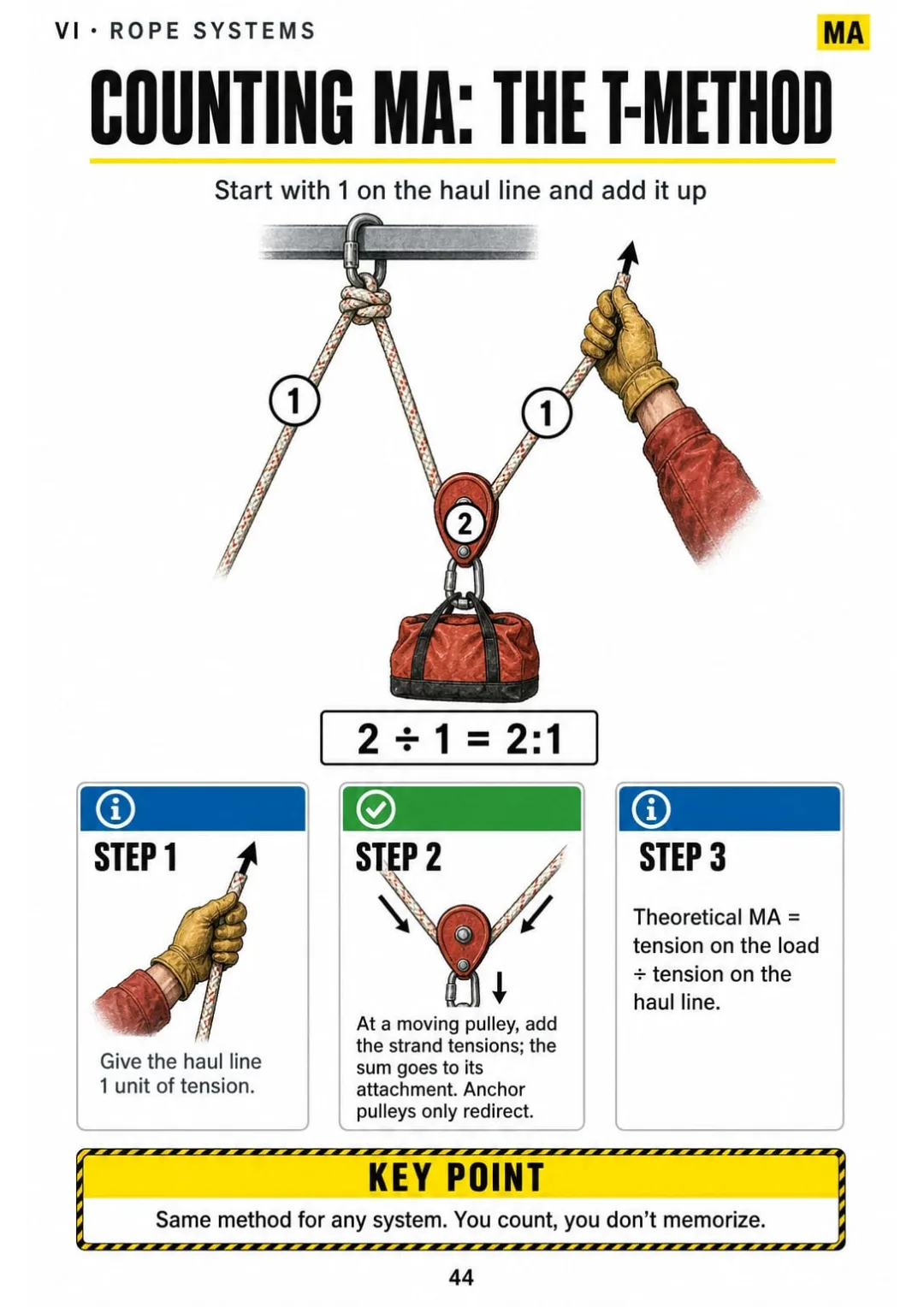
T-method: 1 unit on the haul line, add at every pulley, divide at the load.
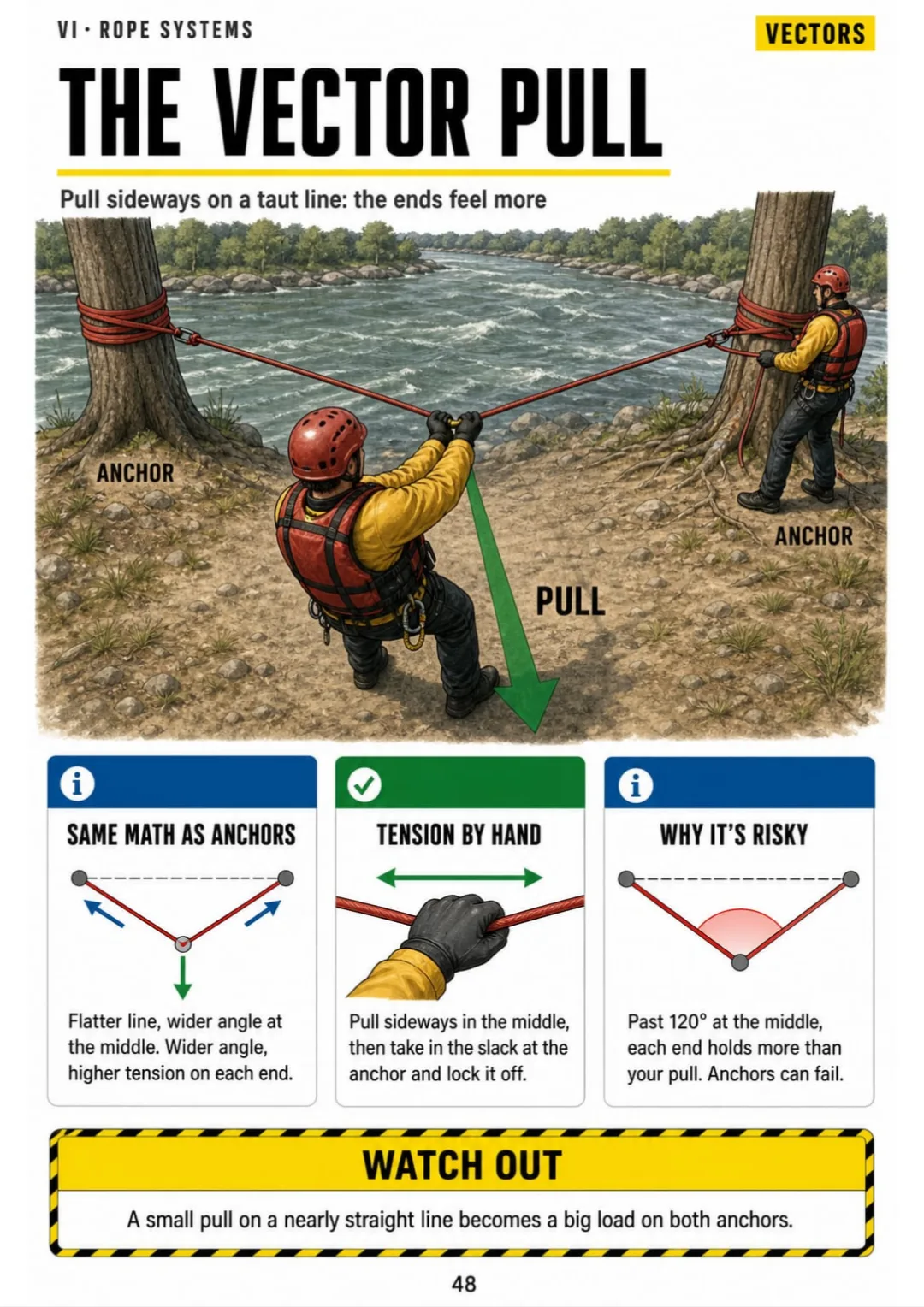
Vector pull: a sideways pull on a taut line tensions it and loads both anchors.
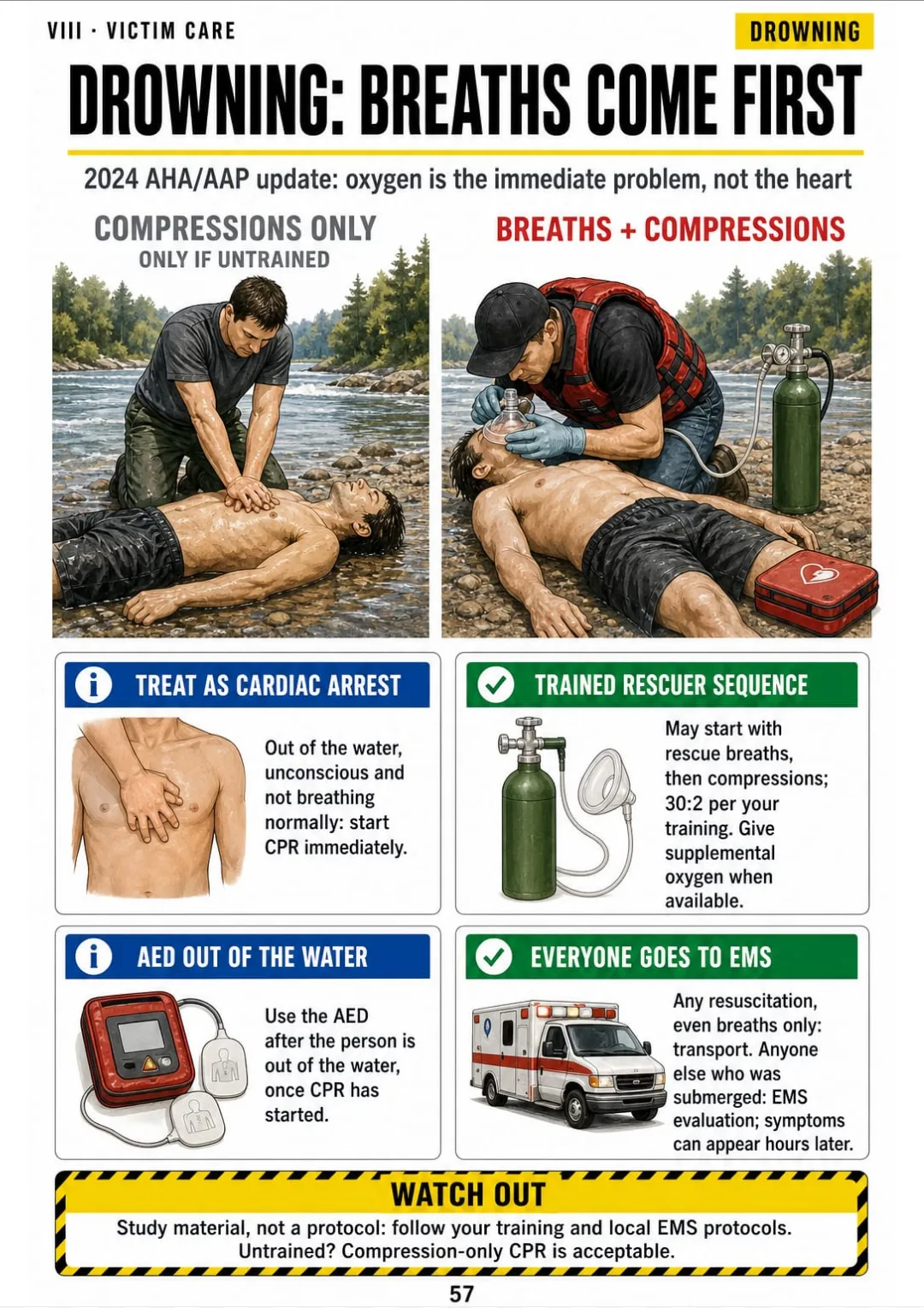
AHA/AAP 2024: CPR with rescue breaths, oxygen when available, AED once out of the water
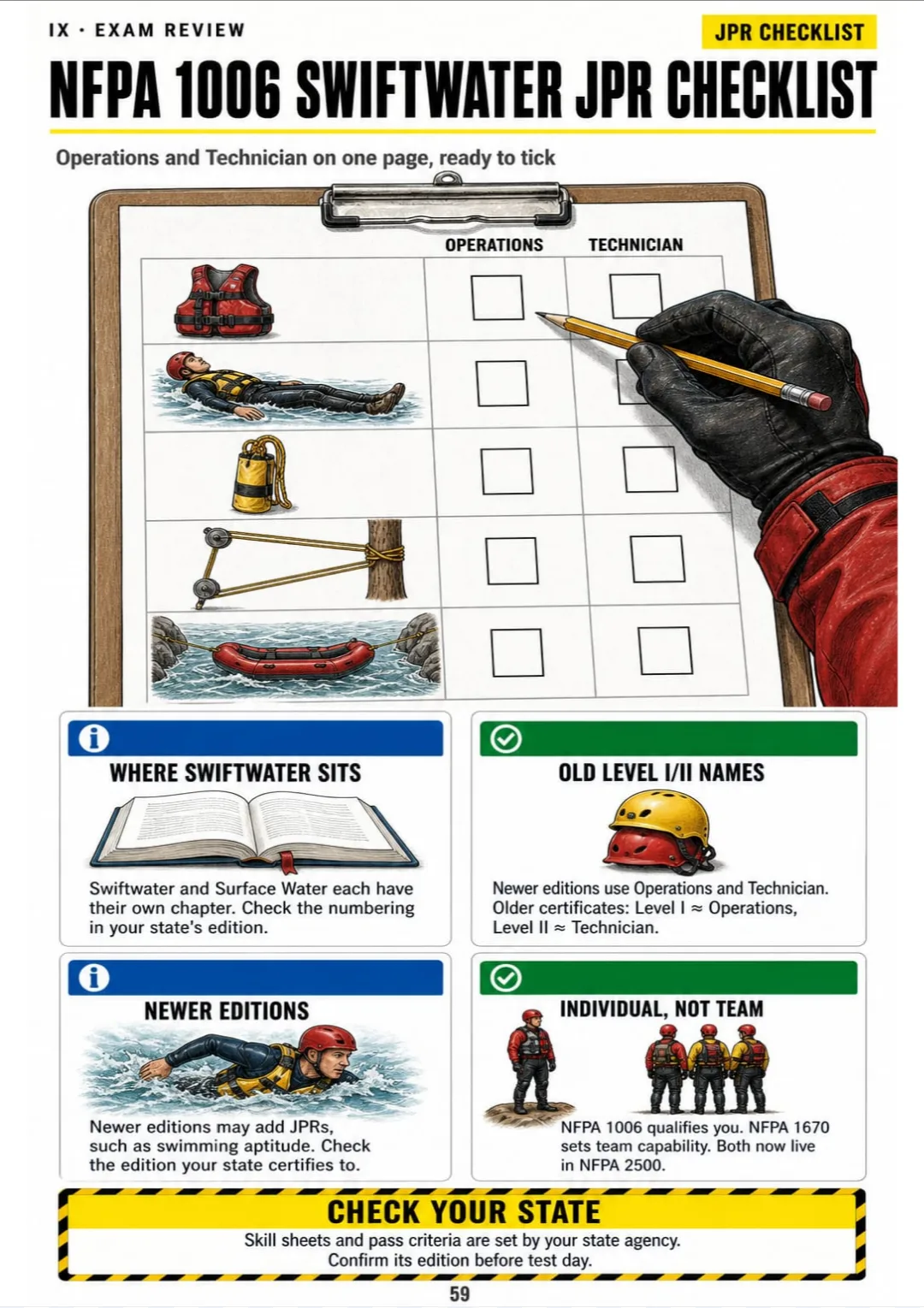
Operations and Technician JPRs, NFPA 1006 (2021, Ch. 18), with a link to each page
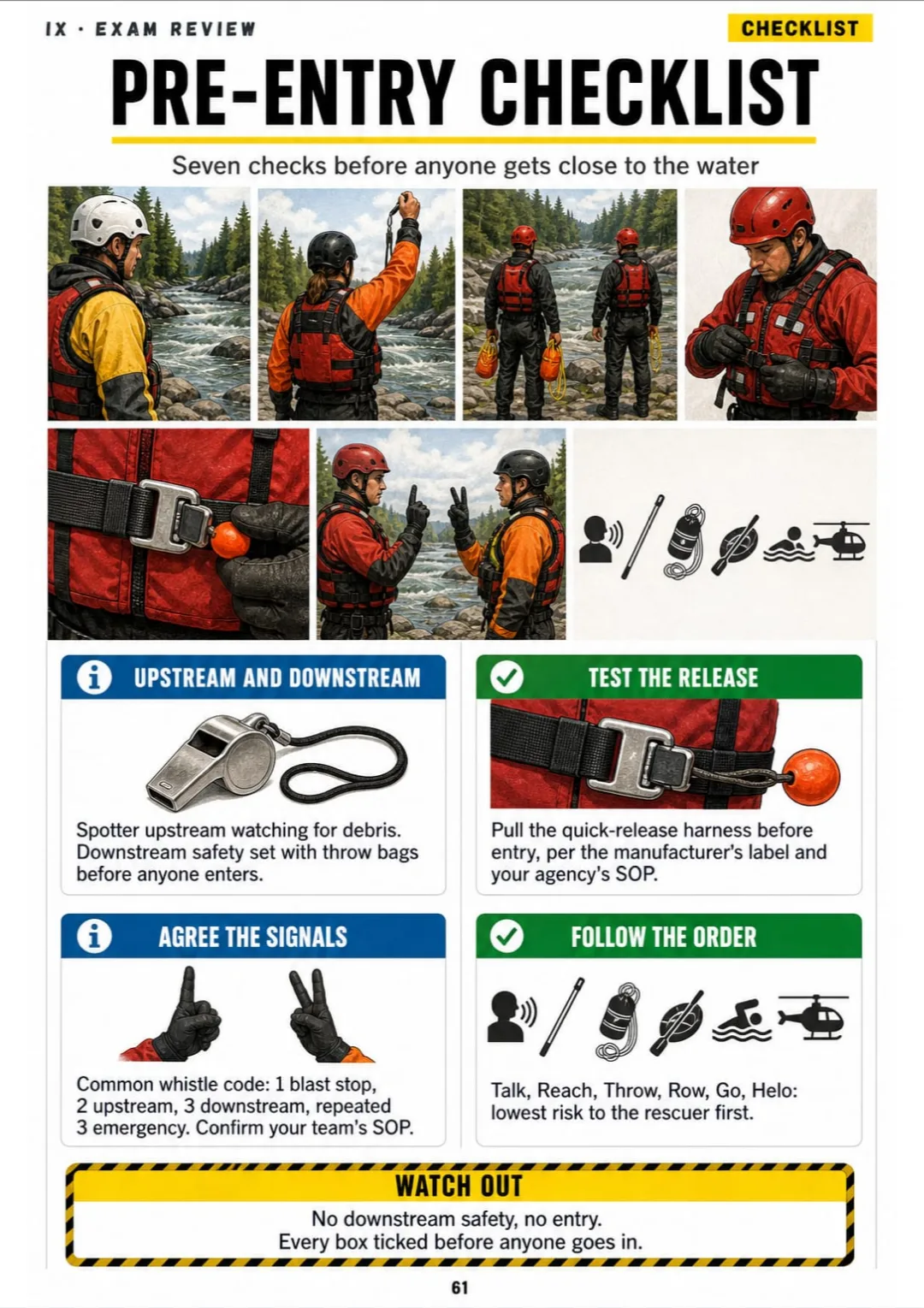
Size-up, spotter, downstream safety, PPE, quick-release, signals, rescue order

Take a Look at the 9 Parts and 58 Topics

Reading Moving Water

pp. 5-14
  1. Where This Book Fits: Awareness, Operations, Technician
  2. Moving Water Hits Harder Than You Think
  3. Current Speed vs. Force on Your Legs
  4. River Left, River Right
  5. Laminar and Helical Flow
  6. Downstream V vs. Upstream V
  7. Eddies and the Eddy Line
  8. Pillows, Waves and the Missing Pillow
  9. International Scale of River Difficulty, Class I–VI
  10. Measuring Flow: CFS, Gauges and the Float Test

Hazards That Kill

pp. 15-21
  1. Low-Head Dams: The Drowning Machine
  2. Natural Hydraulics and Holes
  3. Strainers: Water Goes Through, You Don't
  4. Undercut Rocks and Sieves
  5. Foot Entrapment
  6. Cold Water: The 1-10-1 Rule
  7. Flood Hazards: What Rivers Don't Have

Scene Safety and the Team

pp. 22-27
  1. Size-Up and Risk vs. Benefit
  2. Upstream Spotter, Downstream Safety
  3. Swiftwater PPE
  4. The Quick-Release Harness
  5. Hand and Whistle Signals
  6. Team Roles on a Swiftwater Call

In the Water: Swimming and Wading

pp. 28-32
  1. Defensive Swimming Position
  2. Aggressive Swimming and the Ferry Angle
  3. Getting In and Out of Eddies
  4. Wading Crossings: Solo and Team
  5. Contact Rescue: Last Resort

Shore-Based Rescue: Talk, Reach, Throw

pp. 33-38
  1. The Rescue Order: Talk, Reach, Throw, Row, Go, Helo
  2. Throw Bag Anatomy
  3. Throwing the Bag
  4. Belaying the Swimmer: The Pendulum
  5. How the Victim Holds the Rope
  6. Tethered Swimmer Rescue

Rope Systems and Mechanical Advantage

pp. 39-50
  1. Floating Line vs. Static Kernmantle
  2. Five Knots for the Riverbank
  3. The Prusik and Progress Capture
  4. Anchors on the Bank
  5. Anchor Angles: Why 120° Is Too Much
  6. Counting Mechanical Advantage: The T-Method
  7. Building a Z-Drag 3:1
  8. Theory vs. Reality: Friction
  9. Piggyback and Compound Systems
  10. The Vector Pull
  11. Tensioned Diagonal
  12. Entrapment: Stabilization and Snag Lines

Boats, Vehicles and Floods

pp. 51-55
  1. Boat-Based Rescue
  2. Tethered Boat Systems: 2-Point and 4-Point
  3. Vehicles in Moving Water
  4. Flood Search and FEMA Marking
  5. Decon After Flood Work

Victim Care on the Bank

pp. 56-58
  1. Getting the Victim Out of the Water
  2. Drowning: Airway and Breathing First
  3. Handling a Hypothermic Patient

Exam Review

pp. 59-62
  1. NFPA 1006 Swiftwater JPR Checklist
  2. The Numbers to Know
  3. Pre-Entry Checklist
  4. The Most Common Mistakes on the Bank

Who This Book Is For

You're in the Swiftwater Tech course

Every class topic has its own drawn page, so you can review the hydraulic or the Z-drag between 24-hour shifts and actually keep it.

Your written exam is coming up

The JPR checklist, the numbers to know and the practice workbook show you where you stand before test day.

You already run water calls

Print the pages you need (the Vs, the anchor angles, the tethered boat) and walk your crew through them on the bank.

Plus: 2 Free Books

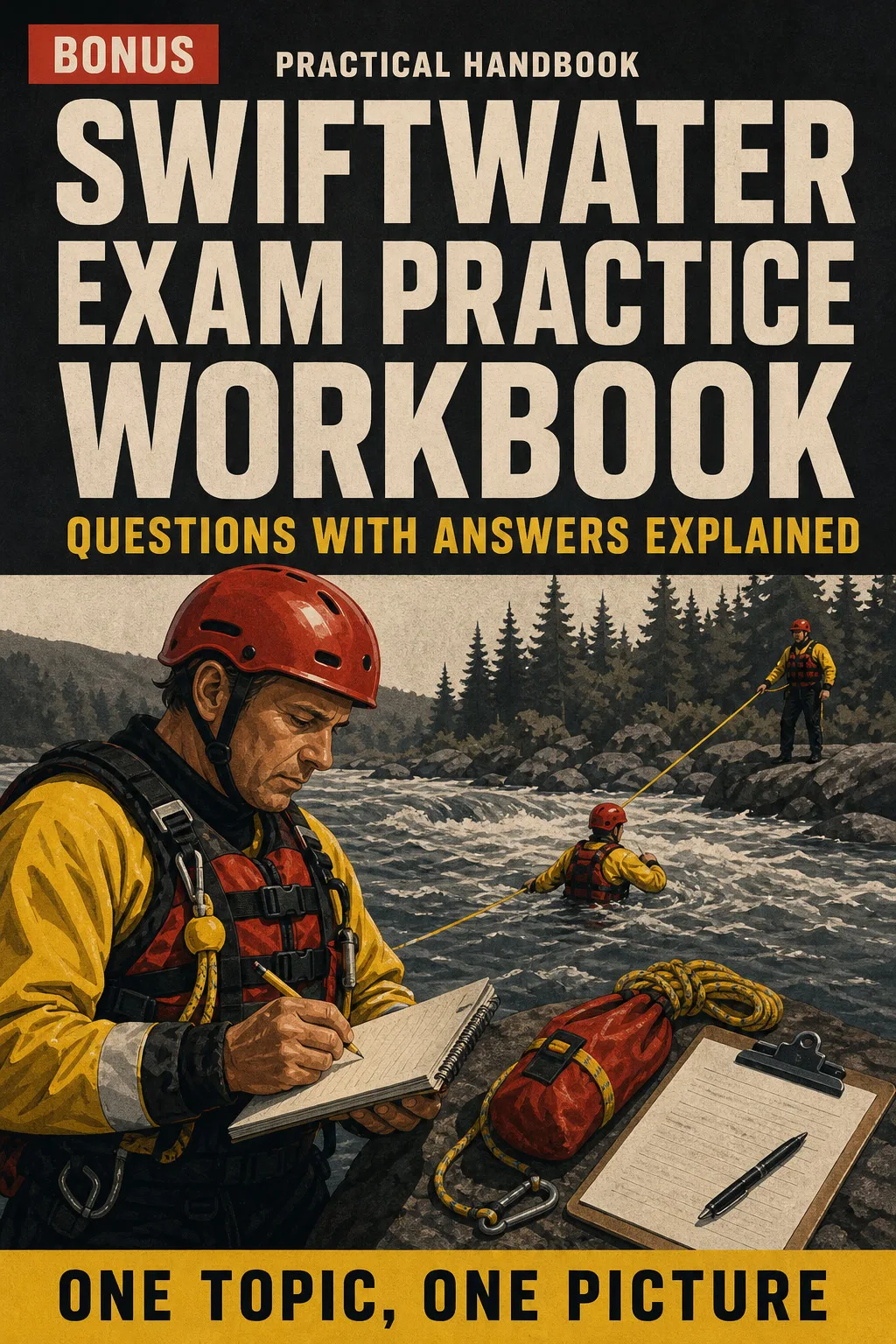
Swiftwater Exam Practice Workbook: Questions with Answers Explained
BONUS 1

Swiftwater Exam Practice Workbook: Questions with Answers Explained

Test yourself on hydrology, rescue order, rope systems and patient care with exam-style questions, each answer explained with a drawing, so you know where you stand before the written test.

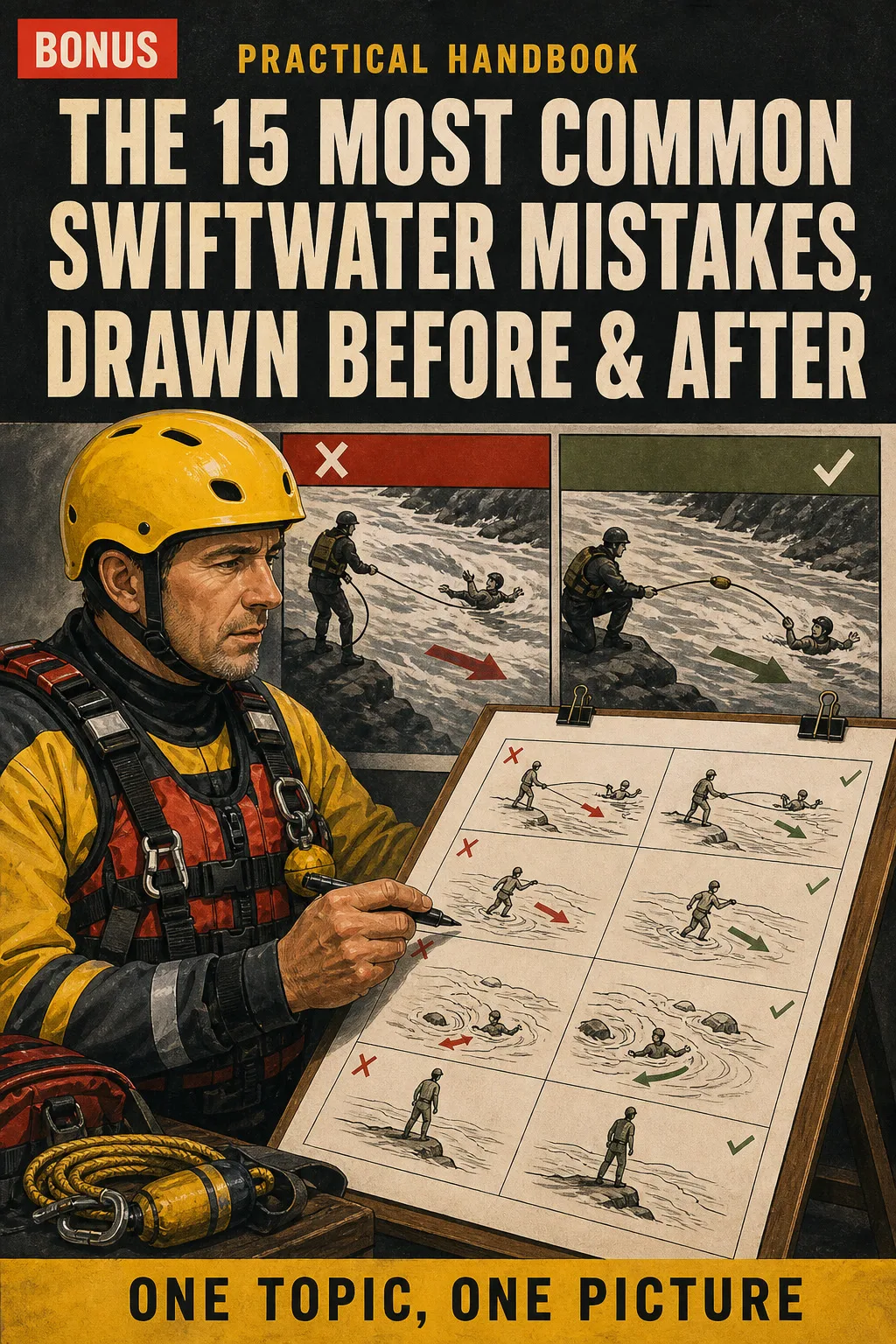
The 15 Most Common Swiftwater Mistakes, Drawn Before & After
BONUS 2

The 15 Most Common Swiftwater Mistakes, Drawn Before & After

See the mistakes rescuers make most often (standing up in current, rope tied around the waist, no downstream safety) next to the right way, so you spot them on the bank and not in the water.

30-Day Guarantee

30-day guarantee: if a file doesn't open, if the content isn't what the product page describes, if you were charged twice or the email never arrived, write to us and we'll refund you in full. You pay once. No subscriptions.

Frequently Asked Questions

Is it for me if I've been on the job for 20 years and already run water calls?

Yes. It skips the filler and goes straight to what you need for the Technician level: numbers, steps and drawings. It works for a refresher and for the written exam.

Where does the content come from?

It's organized around the NFPA 1006 swiftwater JPRs (Operations and Technician), the standard that Pro Board and IFSAC accredited state programs certify to. It's cross-checked with NFPA 2500, USCG PFD approvals, NWS flood data and FEMA search marking. Every standard reference is marked on the page, so you can check it against the edition your state program uses.

Is this official NFPA material?

No. It's independent study material: it doesn't give you a certificate, CE hours or any Pro Board or IFSAC credit. Your certification comes from your state program. NFPA, Pro Board and IFSAC are cited as references only.

Does it replace the course or hands-on training?

No. Swiftwater rescue is learned in the water with a qualified instructor. The book helps you lock in the theory and prepare for the written exam. It doesn't replace EMS training or your local medical protocols either.

Are the practice questions the ones on the exam?

No. They're exam-style questions written for this book, each answer explained. They're not official questions from any exam.

When and how do I get it?

In PDF by email, sent to the address you enter at checkout. The 2 bonus books come as PDFs too.

Do I have to pay every month?

No. It's a one-time payment.

Can I have it on paper?

Yes. The PDF is printable: print the whole book or just the pages you want in your gear bag.

How does the refund work?

You have 30 days. We refund everything if the file won't open, if the book isn't what you see on this page, if you were charged twice or if the email doesn't arrive: just email us.
US$ 27US$ 63
Get the book · US$ 27

This is a digital PDF book sent to your email: nothing is printed or shipped.

More books on this topic

Vehicle Extrication Illustrated

Vehicle and machinery rescue, one topic per page: scene size-up, hazards, stabilization, glass, hydraulic tools, door…

From US$ 27 US$ 63

Rope Rescue Technician Illustrated

Rope rescue for firefighters and rescue techs, one topic per page with a big drawing: knots step by step, anchors and…

From US$ 27 US$ 63

Confined Space Rescue Illustrated

Confined space rescue, one topic per page, every page drawn: permit-required vs. non-permit spaces, atmospheric…

From US$ 27 US$ 63

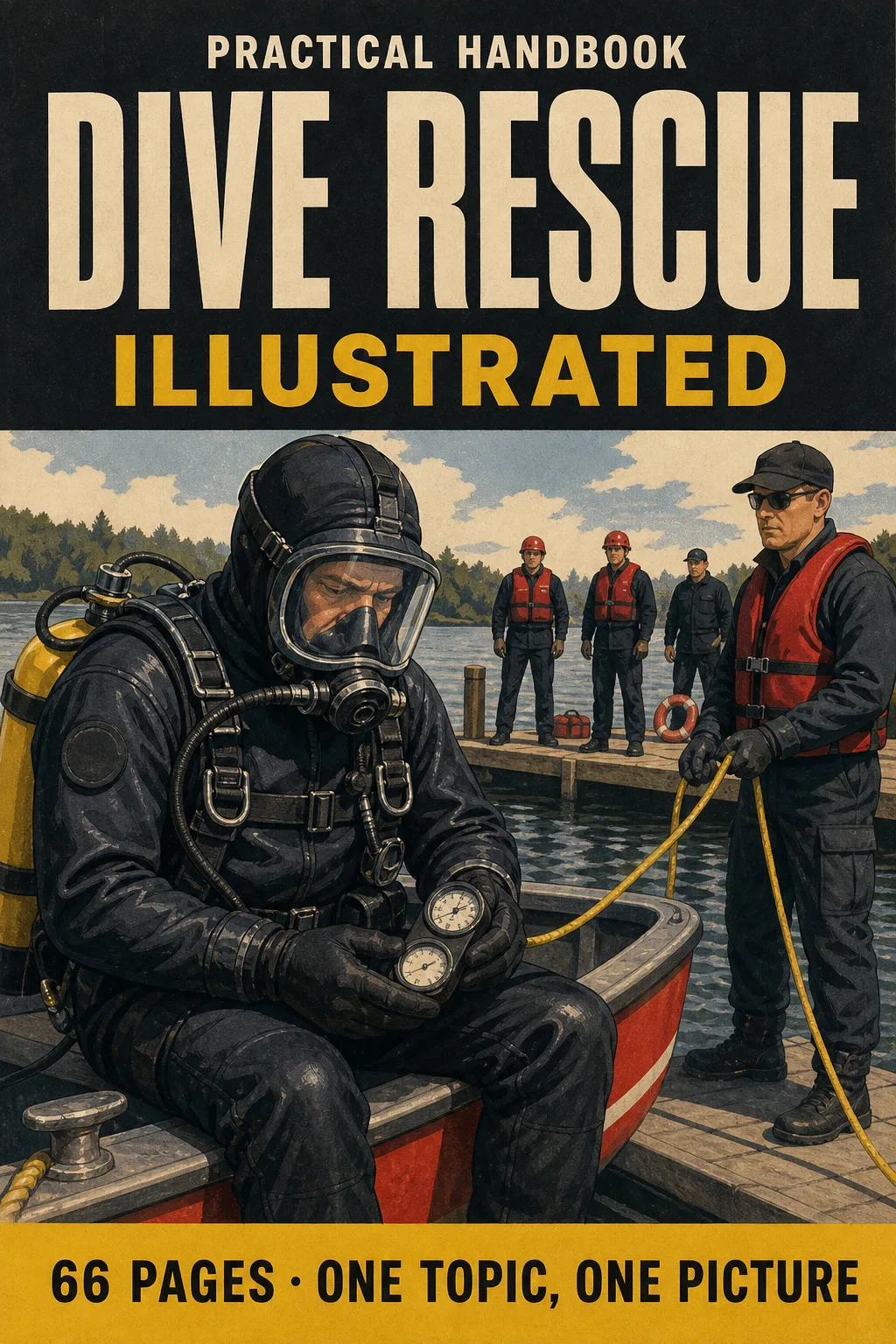
Dive Rescue Illustrated

Prepare for your NFPA 1006 Dive Rescue technical rescuer exam with one topic per page, every concept drawn: line-pull…

From US$ 27 US$ 63

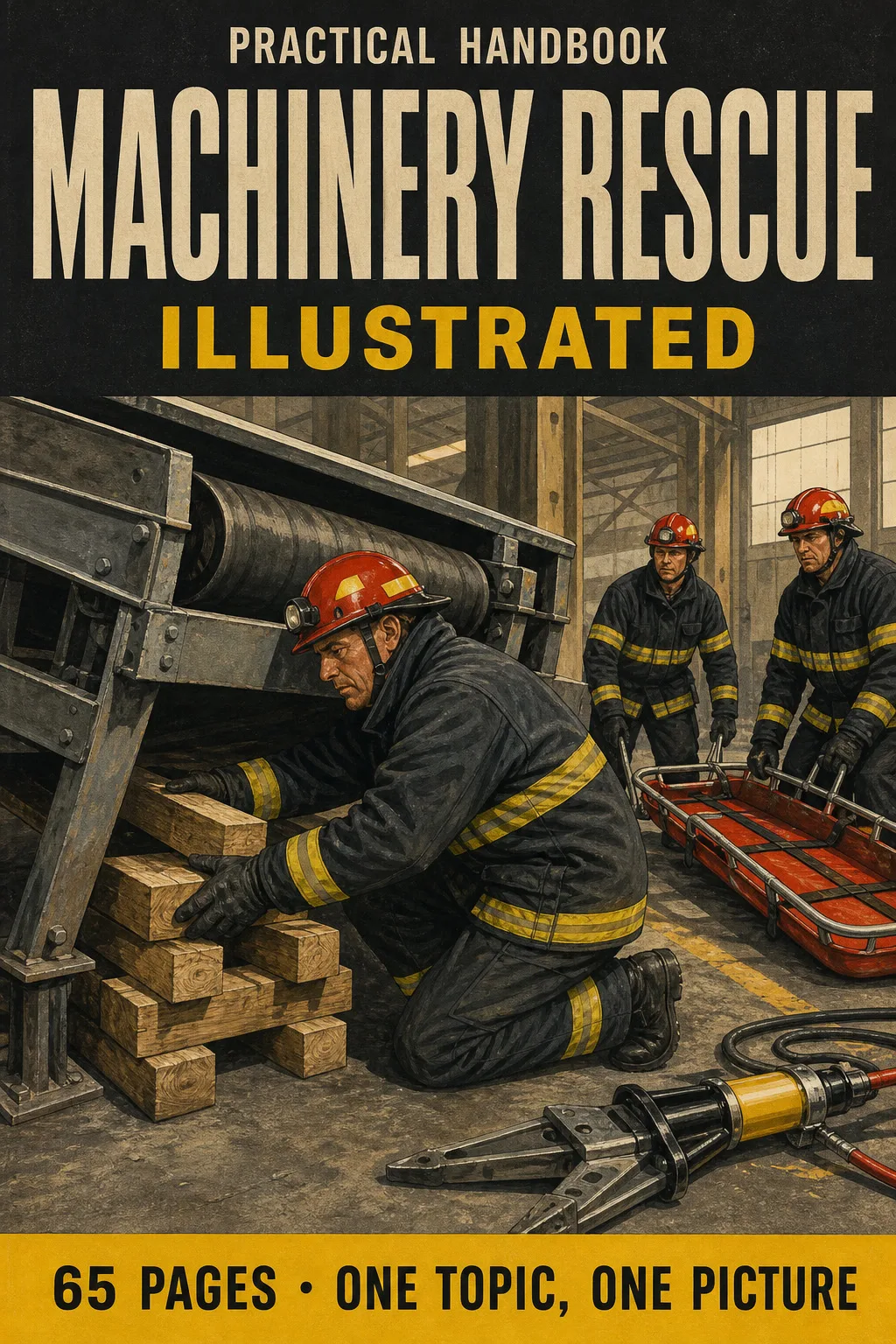
Machinery Rescue Illustrated

Machinery rescue for the NFPA 1006 Technician level, one topic per illustrated page: size-up, lockout/tagout and stored…

From US$ 27 US$ 63

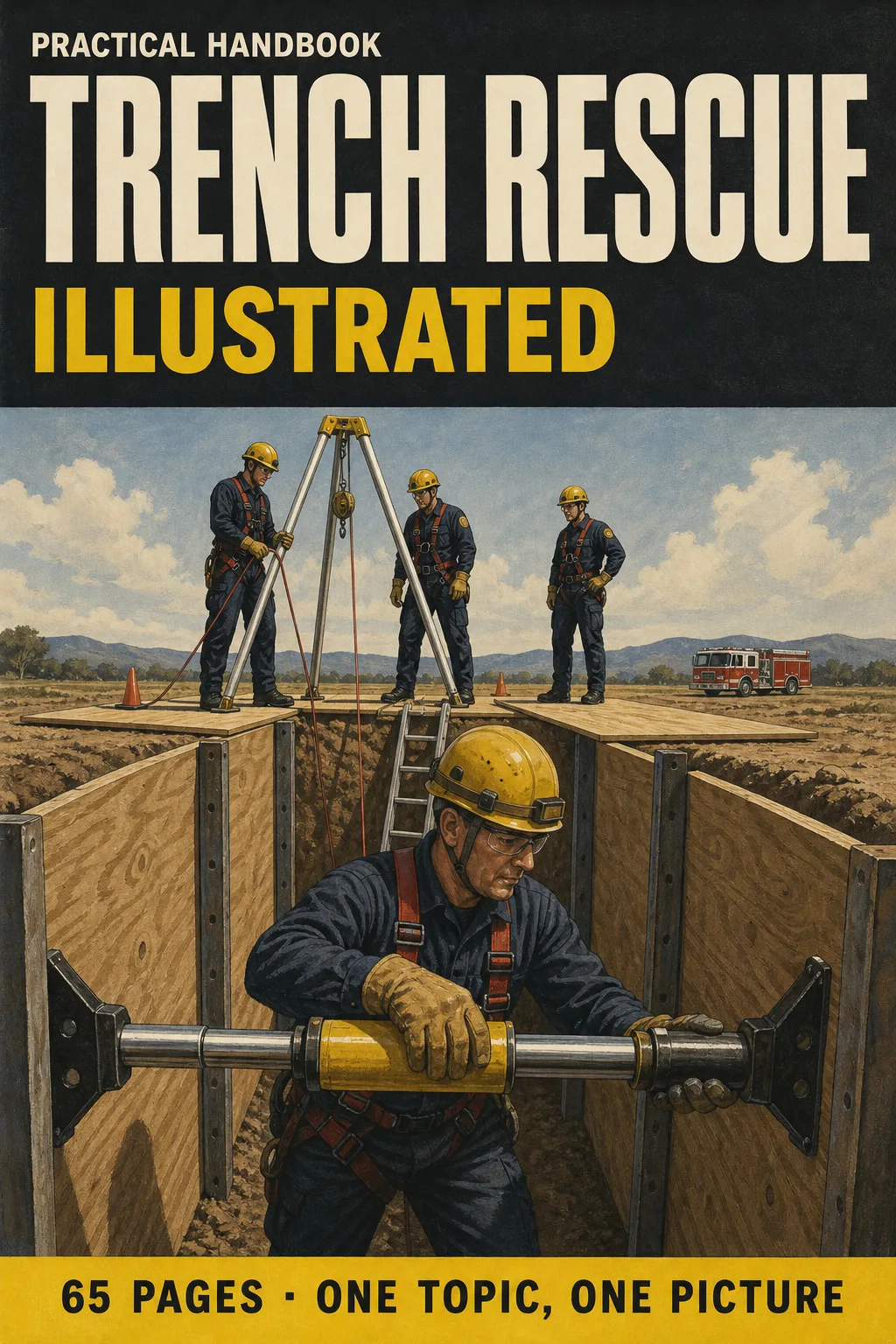
Trench Rescue Illustrated

Trench rescue technician, one topic per page: soil types, cave-in forces, size-up, protective systems, hydraulic and…

From US$ 27 US$ 63

Search and Rescue Illustrated

The core search and rescue field skills for the SARTECH II written exam and practical stations, one topic per page and…

From US$ 27 US$ 63